

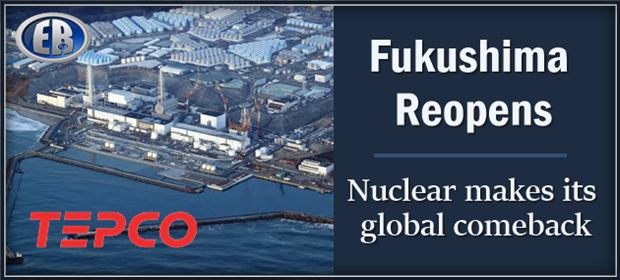
ER Editor: Wasn’t the Fukushima disaster due to deep state/cabal sabotage and not an earthquake leading to a tsunami? We recall publishing a few stories on how radiation fallout was coming across the Pacific into west coast waters. Was any of that true?
Nuclear Power is making a comeback globally , energy security has never been more important, Japan prepares to restart world’s biggest nuclear plant, 15 years after Fukushima
Just the risks need to be kept in check for safety systems pic.twitter.com/1JOFmwcpNn
— ValueEquity (@EquityValueIn) December 23, 2025
Japan is set to restart the world’s biggest nuclear power plant, Kashiwazaki-Kariwa, nearly 15 years on since the Fukushima disaster in 2011. #nuclear #powerplant #fukushima #japan #nuclearenergy pic.twitter.com/swfsIzCh2K
— 7NEWS Australia (@7NewsAustralia) December 22, 2025
🧵 1/4
While Germany and much of the EU retreat from nuclear energy, the rest of the world is moving forward. Japan just approved the restart of Kashiwazaki-Kariwa, the world’s largest nuclear plant, nearly 15 years after Fukushima. pic.twitter.com/UzsnhRBsVp— Jonas Helwig (@jonashelwig) December 22, 2025
2/4 The restart clears the final political hurdle for Tepco to bring reactors back online. One reactor alone can boost Tokyo-area power supply by ~2%. Seven reactors mean industrial-scale baseload power that renewables cannot fully replace.
3/4 Japan’s logic is economic. Fossil fuels supply 60–70% of electricity. ¥10.7 trillion was spent on LNG and coal last year. With AI data centers driving demand, Japan plans to double nuclear’s share to 20% by 2040.
4/4 Germany and parts of the EU chose shutdowns instead. The result: higher prices, gas dependence, weaker industry. Energy policy is industrial policy. Japan is securing stability. Europe is absorbing risk. Markets are watching.
********
Japan To Resume Operations At World’s Largest Nuclear Plant 15 Years After Fukushima Disaster
Authored by Rachel Roberts via The Epoch Times (emphasis ours)
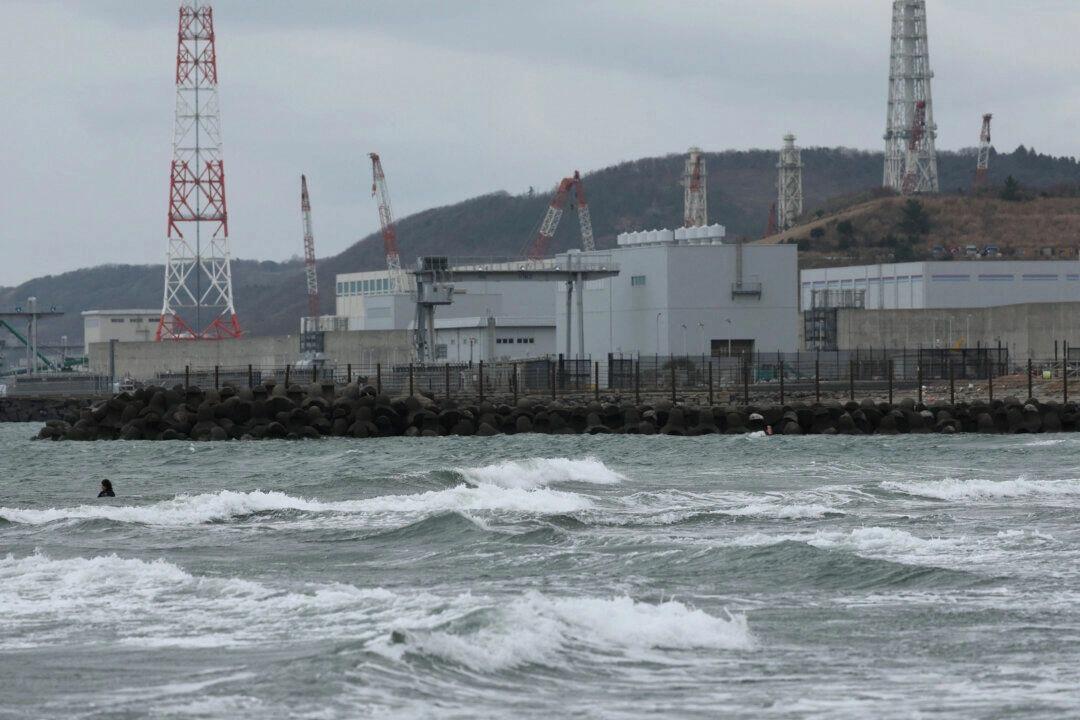
Japan is set to resume operations at the world’s largest nuclear power plant, marking a key development in the country’s return to nuclear energy almost 15 years after the Fukushima disaster.
.
Kashiwazaki-Kariwa, located around 136 miles northwest of Tokyo, was among 54 reactors shut down after the nuclear disaster that occurred after the crippling of the Fukushima Daiichi nuclear plant in Japan in March 2011. The disaster occurred following the 9.0 magnitude Great East Japan Earthquake, which led to a large tsunami.
Japan has now resumed nuclear power generation at 14 of the 33 plants that remain operable, as part of its shift away from reliance on fossil fuels.
Kashiwazaki-Kariwa will be the first operated by Tokyo Electric Power Co (TEPCO), which also ran the Fukushima plant.
Operations can resume immediately following Niigata prefecture’s assembly passing a vote of confidence on Niigata Gov. Hideyo Hanazumi on Dec. 22.
Hanazumi, who backed the restart last month, said after the vote, “This is a milestone, but this is not the end.”
“There is no end in terms of ensuring the safety of Niigata residents,” he said.
.
Deep Divisions
The assembly session revealed the community’s deep divisions over the restart, in spite of lawmakers giving their backing to Hanazumi.
“This is nothing other than a political settlement that does not take into account the will of the Niigata residents,” an assembly member told fellow lawmakers during the session.
Around 300 protesters gathered outside the assembly holding billboards with signs expressing their opposition to the resumption in operations, such as “No Nukes” and “Support Fukushima.”
“I am truly angry from the bottom of my heart,” Kenichiro Ishiyama, a 77-year-old protester from Niigata city, told reporters after the vote.
“If something was to happen at the plant, we would be the ones to suffer the consequences.”
.
Evacuation Effects
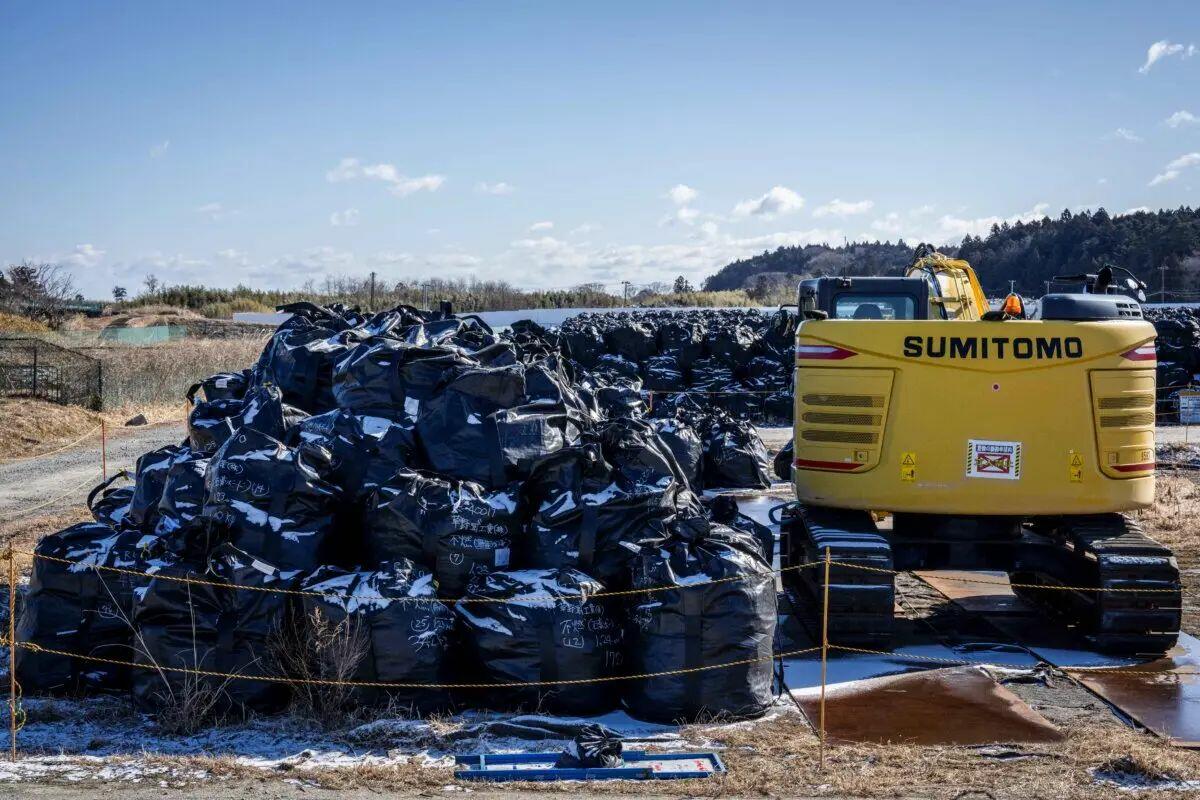
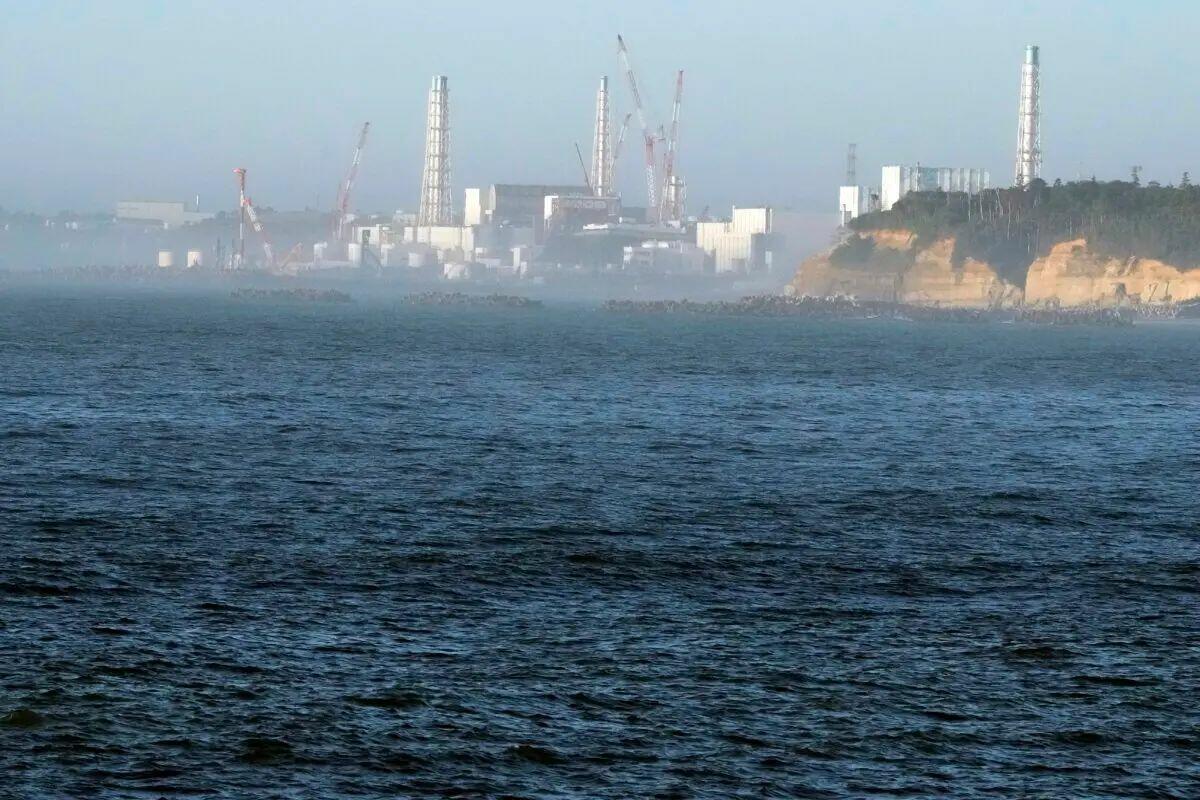
An almost 50-foot tsunami disabled the power supply and cooling of three of Fukushima Daiichi reactors, causing a nuclear accident rated level 7 on the International Nuclear and Radiological Event Scale, with a high level of radioactive release occurring.
The evacuation has been criticized for having done more harm than good, due to the effects of stress on those displaced, particularly on elderly people. Experts have concluded that the loss of life would have been far smaller if all residents had done nothing at all, or were sheltered in place, instead of being evacuated.
“We remain firmly committed to never repeating such an accident and ensuring Niigata residents never experience anything similar,” said TEPCO spokesperson Masakatsu Takata, who declined to comment on timing.
TEPCO pledged earlier this year to pour 100 billion yen ($641 million) into the district over the next 10 years as it fought to win the support of Niigata’s wary residents. The company’s shares rose by 2 percent in Monday’s afternoon trade in Tokyo, higher than the Nikkei index as a whole, which was up 1.8 percent.
A survey in October found 60 percent of residents did not think conditions for the restart had been met, with almost 70 percent worried about TEPCO operating the plant.
Farmer Ayako Oga, 52, was forced to flee the area around the Fukushima plant in 2011, along with around 160,000 other evacuees.
“We know firsthand the risk of a nuclear accident and cannot dismiss it,” said Oga, who still suffers from post-traumatic stress-like symptoms following the disaster.
Hanazumi has said he hopes Japan will eventually be able to reduce its reliance on nuclear power.
“I want to see an era where we don’t have to rely on energy sources that cause anxiety,” he said last month.
The Dec. 22 vote represented the final hurdle before TEPCO restarts the first reactor, which alone could boost electricity supply to the Tokyo area by 2 percent, according to an estimate by Japan’s trade ministry.
.
AI Driving Energy Demand
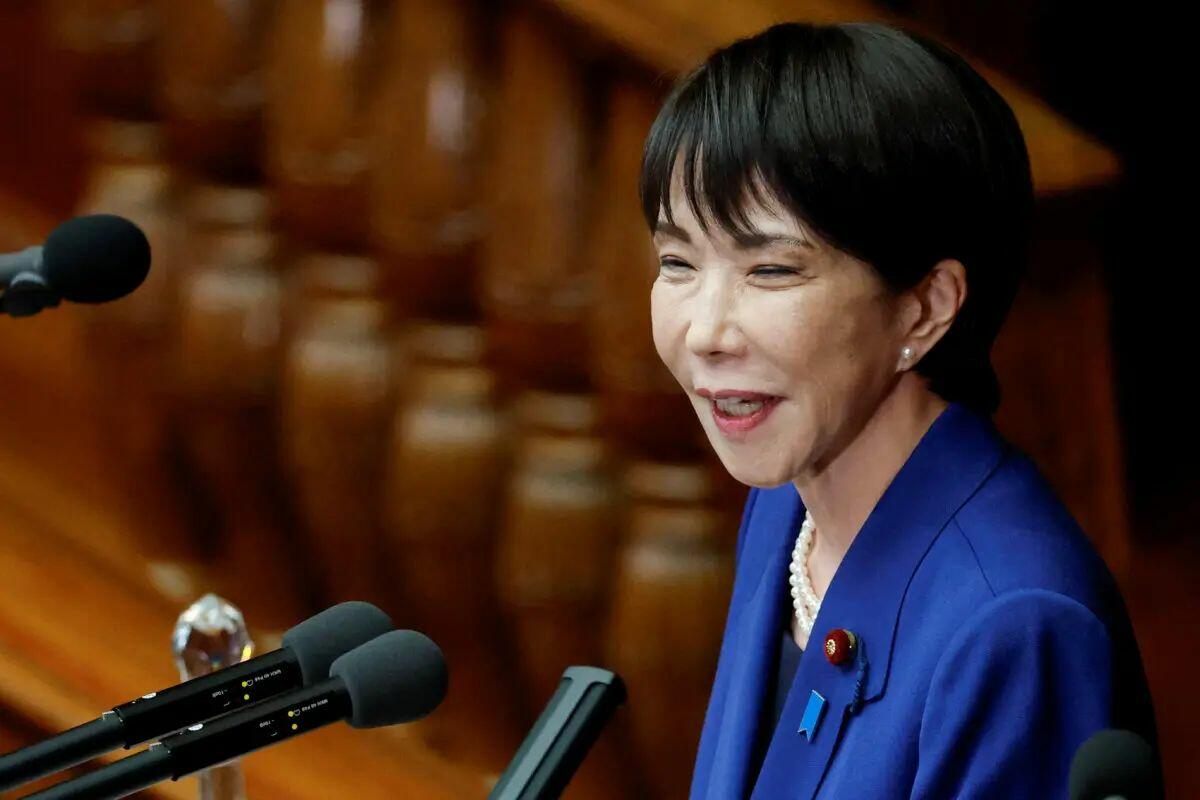
Prime Minister Sanae Takaichi has expressed her support for nuclear restarts to counter the cost of imported fossil fuels, which account for 60–70 percent of the country’s total electricity generation.
Last year, Japan spent 10.7 trillion yen ($68 billion) on imported liquefied natural gas and coal, representing a tenth of the country’s total import costs.
Despite its declining population, Japan expects energy demand to rise over the next decade, due to the power needs of artificial intelligence (AI) data processing centers.
The country has set a target of doubling the portion of nuclear power in its electricity mix to 20 percent by 2040.
Kashiwazaki-Kariwa’s total capacity is 8.2 GW, which is enough to power a few million homes.
Japan’s top nuclear power operator, Kansai Electric Power, said in July it would begin conducting surveys for a reactor in western Japan, in what is planned to be the country’s first new plant since the Fukushima disaster.
Reuters contributed to this report.
Source
Featured image source: https://www.kpbs.org/news/international/2022/12/22/after-the-fukushima-disaster-japan-swore-to-phase-out-nuclear-power-but-not-anymore
************
Published to The Liberty Beacon from EuropeReloaded.com


••••
The Liberty Beacon Project is now expanding at a near exponential rate, and for this we are grateful and excited! But we must also be practical. For 7 years we have not asked for any donations, and have built this project with our own funds as we grew. We are now experiencing ever increasing growing pains due to the large number of websites and projects we represent. So we have just installed donation buttons on our websites and ask that you consider this when you visit them. Nothing is too small. We thank you for all your support and your considerations … (TLB)
••••
Comment Policy: As a privately owned web site, we reserve the right to remove comments that contain spam, advertising, vulgarity, threats of violence, racism, or personal/abusive attacks on other users. This also applies to trolling, the use of more than one alias, or just intentional mischief. Enforcement of this policy is at the discretion of this websites administrators. Repeat offenders may be blocked or permanently banned without prior warning.
••••
Disclaimer: TLB websites contain copyrighted material the use of which has not always been specifically authorized by the copyright owner. We are making such material available to our readers under the provisions of “fair use” in an effort to advance a better understanding of political, health, economic and social issues. The material on this site is distributed without profit to those who have expressed a prior interest in receiving it for research and educational purposes. If you wish to use copyrighted material for purposes other than “fair use” you must request permission from the copyright owner.
••••
Disclaimer: The information and opinions shared are for informational purposes only including, but not limited to, text, graphics, images and other material are not intended as medical advice or instruction. Nothing mentioned is intended to be a substitute for professional medical advice, diagnosis or treatment.



Leave a Reply