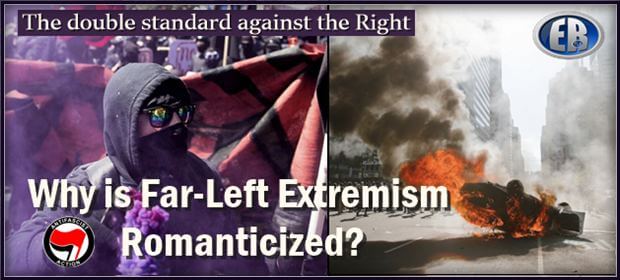
The overlooked reality is that far-right extremism is treated as one of the primary domestic threats (viewed on a par with Islamism), while far-left extremism is consistently minimised, excused or rebranded as activism.
The result is a political and media culture that sees right-wing violence as ideological terrorism but often treats left-wing violence as understandable, even romantic, protest. The issue is not whether far-right extremism exists—it clearly does—but whether left-wing extremism is judged by the same yardstick. Many of us would argue that the answer is no.
One striking example is the case of the anarchist bomb plotter Jacob Graham. Convicted in February 2024, he stockpiled bomb-making chemicals and produced a manual describing attacks on members of parliament and government buildings. Graham stated that he wanted to “kill dozens of people.” If a neo-Nazi had written the same plans, the story would likely have dominated the public debate about extremism for months. Instead, the case passed with almost non-existent political discussion. This is a textbook example of ideology influencing how terrorism is perceived. Indeed, a group of teenagers creating nasty memes in their bedrooms seems to be enough to warrant proscription as a far-right terrorist group in the modern ‘Yookay.’
Few movements illustrate the double standard more clearly than Palestine Action, which “works to secure Palestinian rights” by carrying out various illegal actions. The group openly advocates direct action against arms manufacturers. Supporters call it civil resistance. Critics call it organised, extremist sabotage. Members have broken into military facilities, occupied factories, and caused millions of pounds’ worth of damage. In one notorious incident, a Palestine Action activist broke a female police officer’s spine with a sledgehammer, yet walked free from court.
If a nationalist group had repeatedly attacked businesses linked to immigration or multiculturalism, it would certainly be labelled as extremist. Yet Palestine Action is still widely described as an activist operation rather than an extremist movement. In July 2025, the group was proscribed as a terrorist organisation, but there remains a widespread, ongoing campaign to reverse the government’s decision. This would never happen with a right-wing group.
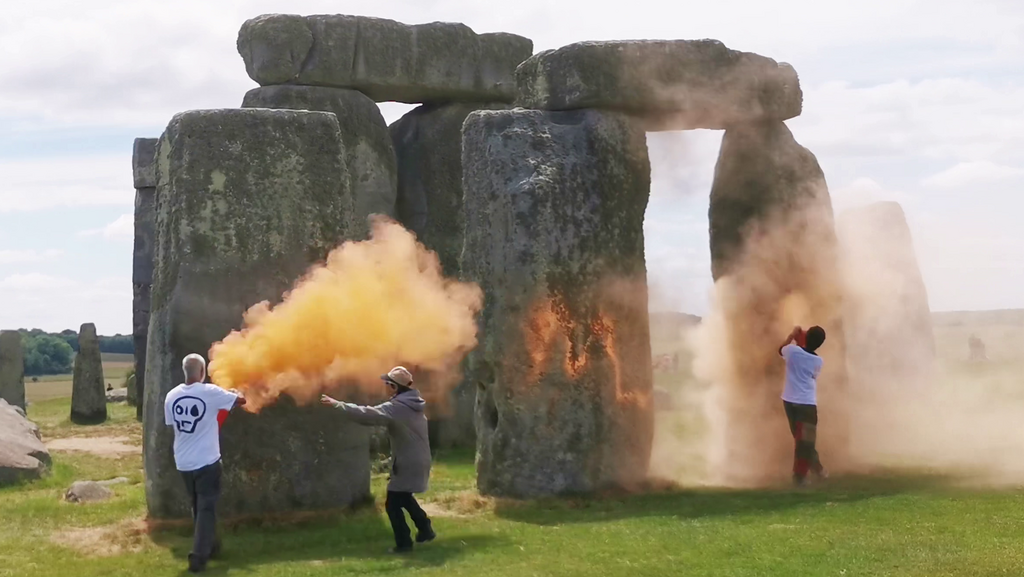
Environmental radicalism has also crossed into extremism. The Earth Liberation Front was founded in Britain and promoted economic sabotage, arson attacks, and the destruction of private property. Security agencies have described such tactics as eco-terrorism. Yet environmental extremism is often framed sympathetically as youthful idealism or moral urgency, rather than an extremist ideology. Extremist environmental activism is one of the few ideological movements where criminality is routinely moralised rather than condemned. We only have to look at the reactions to the antics of Just Stop Oil’s elderly, privileged militants to see that.
Far-left terrorism is not new in Britain. The anarchist group the Angry Brigade carried out around 25 bombings in the 1970s, targeting politicians, banks, and institutions. These were clear ideological attacks intended to destabilise the state. Yet the Angry Brigade is rarely cited in modern discussions about domestic extremism, and if it is at all, it is sentimentalised. Right-wing extremists from the same period are remembered as threats; left-wing extremists are just starry-eyed radicals.
This imbalance is not accidental. Universities lean politically left; much of the media is skewed towards the progressive; activist organisations influence policy; cultural institutions sympathise with left-wing causes. This creates a system where right-wing extremism equals a philosophical threat, whereas left-wing extremism equals social protest. The difference is often one of language rather than behaviour. Criminal damage is ‘direct action.’ Intimidation is ‘civil resistance.’ Political violence is ‘anti-fascism.’
One of the clearest signs of imbalance is how extremism is defined. Right-wing extremism is usually defined in ideological terms: nationalism, racism, or anti-immigration beliefs combined with radicalisation. Left-wing extremism is often defined only once violence becomes extreme. This means right-wing ideology alone is labelled as extremist, while left-wing ideology must become violent first. This inflates the perceived scale of one threat while shrouding the other.
Britain does have a far-right extremism problem, but she also has an unambiguous far-left extremism problem. However, only one is treated as a national emergency. From this perspective, the issue is not one of exaggeration alone; it is also one of selective outrage. Until violence and intimidation are judged, across our continent, by the same standards regardless of ideology, the European approach to extremism will remain biased rather than neutral.







Leave a Reply