

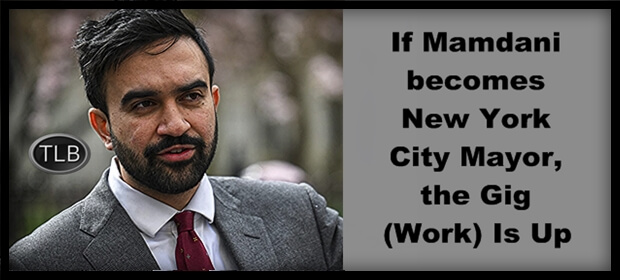
If Mamdani Wins NY, the Gig (Work) Is Up
Gig Work is popular because it gives workers flexible hours, the chance to be their own boss, and the opportunity to earn extra money.
One of Zohran Mamdani’s most harmful proposals is getting the least attention: his plan to restrict “gig” work – the freelancing that’s so popular across the Big Apple. Mamdani wants to wrap freelancing in so much red tape, it’ll be significantly harder for New Yorkers to work for themselves or get side income.
New Jersey, too, is flirting with severely limiting independent work. But whether it comes from Gracie Mansion or Trenton, a crackdown on gig work would hurt not just workers and those who hire them, but every New Yorker or New Jerseyan who relies on freelance workers in their daily lives.
As America’s biggest city, it should be no surprise that New Yorkers have a diversity of work arrangements. Studies before the pandemic found that more than a million New Yorkers freelance. Now at least 20% of working New Yorkers find gigs through apps.
Gig workers do all kinds of jobs. Some drive or deliver, others shoot freelance photography for major brands, and others build websites or repair bicycles. Whatever form it takes, freelancing is popular because it gives workers flexible hours, the chance to be their own boss, and the opportunity to earn extra money.
Millions of Americans perform independent work in addition to full-time work and millions more need the flexibility of independent work to balance work and caregiving responsibilities. And studies find these entrepreneurs are pleased with their choice to freelance.
Despite this growth and freelancer satisfaction, critics like Mamdani want to make it harder for Americans to be independent contractors. While they frame their opposition as a matter of “protecting workers,” they really want to put government in the driver’s seat of employment, while making it harder for workers to freelance at all.
One of Zohran Mamdani’s most harmful proposals is getting the least attention: his plan to restrict “gig” work – the freelancing that’s so popular across the Big Apple. Mamdani wants to wrap freelancing in so much red tape, it’ll be significantly harder for New Yorkers to work for themselves or get side income.
New Jersey, too, is flirting with severely limiting independent work. But whether it comes from Gracie Mansion or Trenton, a crackdown on gig work would hurt not just workers and those who hire them, but every New Yorker or New Jerseyan who relies on freelance workers in their daily lives.
As America’s biggest city, it should be no surprise that New Yorkers have a diversity of work arrangements. Studies before the pandemic found that more than a million New Yorkers freelance. Now at least 20% of working New Yorkers find gigs through apps.
Gig workers do all kinds of jobs. Some drive or deliver, others shoot freelance photography for major brands, and others build websites or repair bicycles. Whatever form it takes, freelancing is popular because it gives workers flexible hours, the chance to be their own boss, and the opportunity to earn extra money.
Millions of Americans perform independent work in addition to full-time work and millions more need the flexibility of independent work to balance work and caregiving responsibilities. And studies find these entrepreneurs are pleased with their choice to freelance.
Despite this growth and freelancer satisfaction, critics like Mamdani want to make it harder for Americans to be independent contractors. While they frame their opposition as a matter of “protecting workers,” they really want to put government in the driver’s seat of employment, while making it harder for workers to freelance at all.
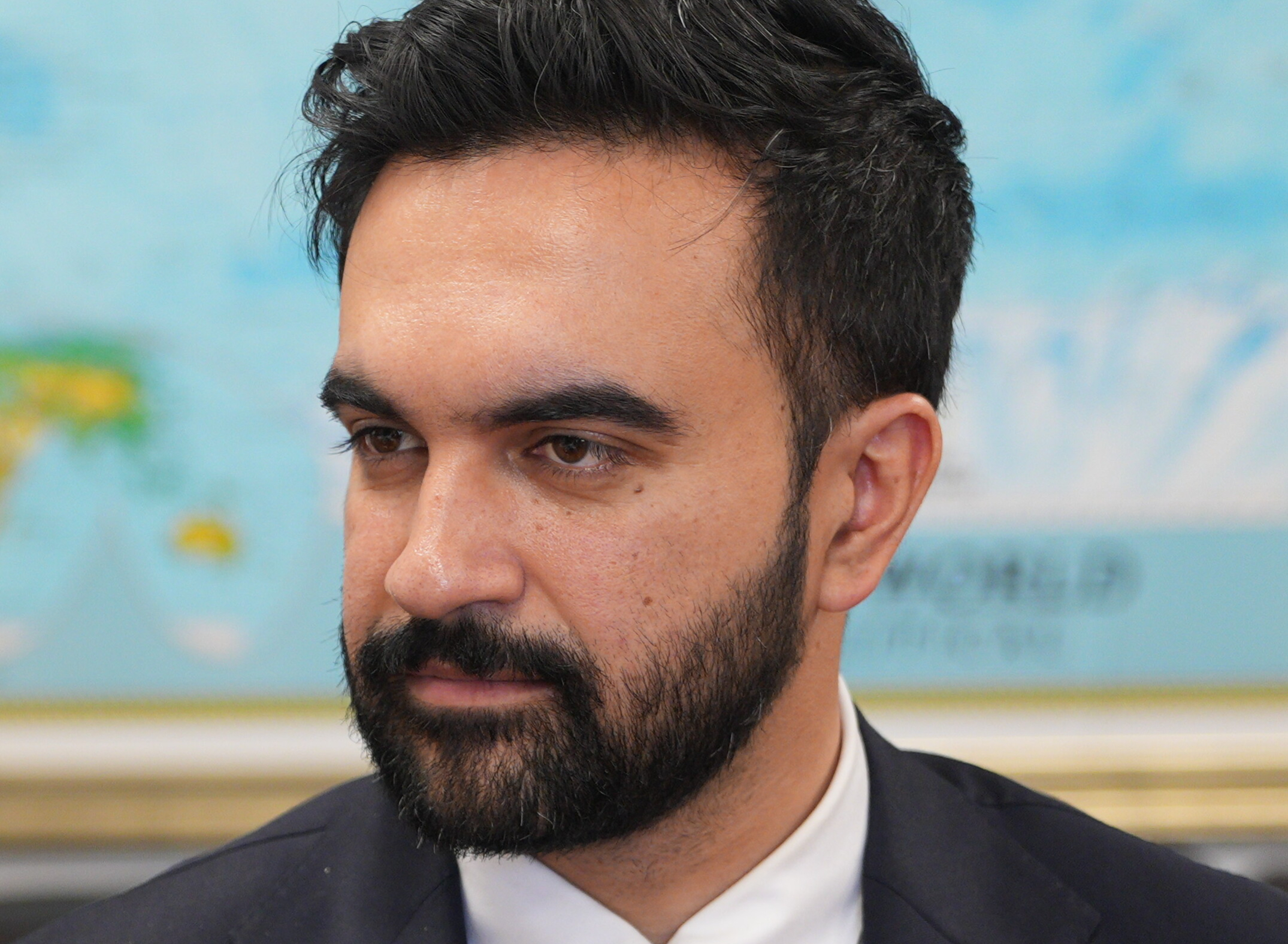 Fotografía oficial de la Presidencia de Colombia, Wikimedia Commons
In particular, Mamdani wants to increase scrutiny of the contracts between workers and businesses; impose stricter licensing requirements on delivery companies; and mandate wage, unemployment, and health insurance benefits for workers who utilize the delivery platforms. But since many independent workers have health insurance from another job or a spouse’s job, these “benefits” are less valuable than cash.
Bottom line, politicians like Mamdani believe freelancers are being duped and don’t understand the deal they are making. And they believe that it’s better to shut down the independent economy than to risk that some workers might make a bad deal.
It comes down to worldview. Some policymakers believe the only good job is a traditional full-time role that provides employee benefits and a W-2 tax return. And many labor union leaders fight against freelancing because they want more members, and they know independent workers don’t see the need to join a union. Some big businesses seeking to stifle competition from upstart entrepreneurs are happy to join the cause.
So what will happen if independent work gets limited, in New York City, New Jersey, or anywhere else?
California shows the answer. In 2019, California passed a law attacking independent work. The state’s many photographers, freelance writers, translators, and designers quickly discovered that their once-lucrative work had dried up. Company after company cut jobs. The Mercatus Center found that one out of 10 self-employed jobs disappeared in short order. Even worse job losses were surely on the horizon.
Recognizing the danger, California voters almost immediately passed a ballot measure that gave app-based workers and app-based companies the freedom to once again enter into freelance arrangements. The legislature then passed another law to carve out a dozen more professions. But those carve-outs didn’t apply to many other freelancers, like independent truckers, whose ability to work in California remains much more difficult. To this day, because politicians strangled freelance work, Californians have fewer of the jobs they want and need.
Freelance work has transformed New York City’s economy while opening doors for workers to supplement their incomes or start their own businesses. New Yorkers today have more ways to get around the city, get takeout more easily, and make money thanks to the gig economy. Zohran Mamdani’s ideas could put it all at risk – and every New Yorker should be worried.
***
(TLB) PUBLISHED THIS ARTICLE FROM RealClerWire with permission & our appreciation
Header featured image (edite) credit: Pakistan Today / YouTube article tease open card. Emphasis added by (TLB)
••••

••••
Stay tuned…

••••
The Liberty Beacon Project is now expanding at a near exponential rate, and for this we are grateful and excited! But we must also be practical. For 7 years we have not asked for any donations, and have built this project with our own funds as we grew. We are now experiencing ever increasing growing pains due to the large number of websites and projects we represent. So we have just installed donation buttons on our websites and ask that you consider this when you visit them. Nothing is too small. We thank you for all your support and your considerations … (TLB)
••••
Comment Policy: As a privately owned web site, we reserve the right to remove comments that contain spam, advertising, vulgarity, threats of violence, racism, or personal/abusive attacks on other users. This also applies to trolling, the use of more than one alias, or just intentional mischief. Enforcement of this policy is at the discretion of this websites administrators. Repeat offenders may be blocked or permanently banned without prior warning.
••••
Disclaimer: TLB websites contain copyrighted material the use of which has not always been specifically authorized by the copyright owner. We are making such material available to our readers under the provisions of “fair use” in an effort to advance a better understanding of political, health, economic and social issues. The material on this site is distributed without profit to those who have expressed a prior interest in receiving it for research and educational purposes. If you wish to use copyrighted material for purposes other than “fair use” you must request permission from the copyright owner.
••••
Disclaimer: The information and opinions shared are for informational purposes only including, but not limited to, text, graphics, images and other material are not intended as medical advice or instruction. Nothing mentioned is intended to be a substitute for professional medical advice, diagnosis or treatment.



Leave a Reply